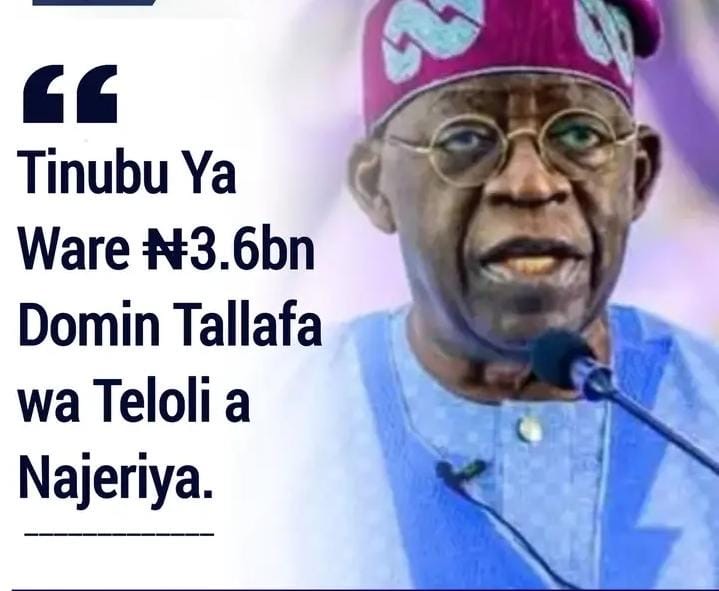
FG Begins 3 months cash transfers to Nigerians Nationwide
The Federal Government of Nigeria has intensified its social intervention efforts with the rollout of the Renewed Hope Conditional Cash Transfer programme, a nationwide initiative designed to support vulnerable households and reduce the economic strain caused by recent reforms such as fuel subsidy removal.
Launched under the administration of Bola Ahmed Tinubu, the programme aims to reach a total of 15 million low-income households across the country. It is part of a broader strategy to provide immediate financial relief while also laying the groundwork for long-term poverty reduction.
Under the scheme, each eligible household is entitled to receive ₦75,000, which is distributed in three phases of ₦25,000 each. This structured payment approach ensures that beneficiaries receive consistent support over time, rather than a one-time disbursement. The staggered system is intended to help families better manage essential expenses such as food, transportation, and basic healthcare, especially in the face of rising living costs.
As of March 2026, the programme has already made significant progress, with over 9 million households receiving the first tranche of payment. This milestone highlights the scale and reach of what is considered one of Nigeria’s largest direct cash transfer initiatives.
The primary goal of the programme is to cushion the financial impact of economic adjustments on vulnerable populations. By targeting households living below or near the poverty line, the government seeks to reduce hardship and improve overall living standards nationwide.
Officials have emphasized that the initiative goes beyond short-term assistance. In addition to providing immediate relief, it is designed to strengthen economic resilience among low-income families and contribute to sustainable poverty alleviation through targeted social investment.
With millions already benefiting and millions more expected to be reached, the Renewed Hope Conditional Cash Transfer programme represents a major step in addressing economic inequality and supporting vulnerable Nigerians during a challenging period.